

Have you noticed Teslas starting to pile up in your bays recently? The trend is not uncommon. In a recent interview with one of our customers from Discount Tire in Logan, Utah, the business owner stated, “We used to see 1-2 Teslas per month, now we see 3-4 a day.”
According to the Fitment Group, an industry-leading tire data and analysis provider, electric vehicle (EV) business within auto repair shops is increasing by about 1% per quarter, as compared to internal combustion engines (ICE). That increase posits a huge opportunity for the auto repair market to adopt a new normal of business, focused on researching and implementing standards for servicing full EVs.
Let’s start from scratch; what repairs do electric vehicles even need?
Without vital ICE fluids like oil and gasoline, what kind of maintenance could an EV even need? First off, EVs burn through tires 20% faster than ICE vehicles. Why? Torque. As EVs have done away with the typical throttling and gear shifting of the ICE, the instant torque of the engine causes tires to immediately grip the road and go. Due to the fast vehicle takeoff, tires on electric cars tend to wear down faster, and therefore require more time in the auto repair and tire shops.
If EVs require tires more often, are there specialty products for shops?
In the spirit of efficiency, some EV-specific tires have been manufactured with less road resistance. Tires with less resistance are more efficient, which is better for the driving range. But the stock of these EV-specific tires has been very limited.
“As we continue to see the tire replacement cycles extend, it will be interesting to watch the replacement mix to see if consumers are moving down a tier to save some money, and to see if more mid or entry level tire manufacturers release more EV specific tires.”
- JP Brooks, Chief Revenue Officer of Fitment Group
What can your auto shop do TODAY to prepare for the influx of electric vehicles?
Research Your Rights as an Independent Business
If you’ve been paying attention, the Right to Repair Act is gaining a lot of attention in Washington, DC. For those new to the concept, Right to Repair is the bill going through Congress that allows independent auto repair shops to acquire repair tools and manuals from original equipment manufacturers (OEMs).
As an independent repair shop, you should be well informed of the status of the Right to Repair bill and how its different phases affect your business and customers. One thing is for sure, EVs will continue to flood the market, and your ability to service them depends on variables set specifically by the United States government.
For collective information on Right to Repair, visit Repair.org.
Discover Your Access to Tire Inventory
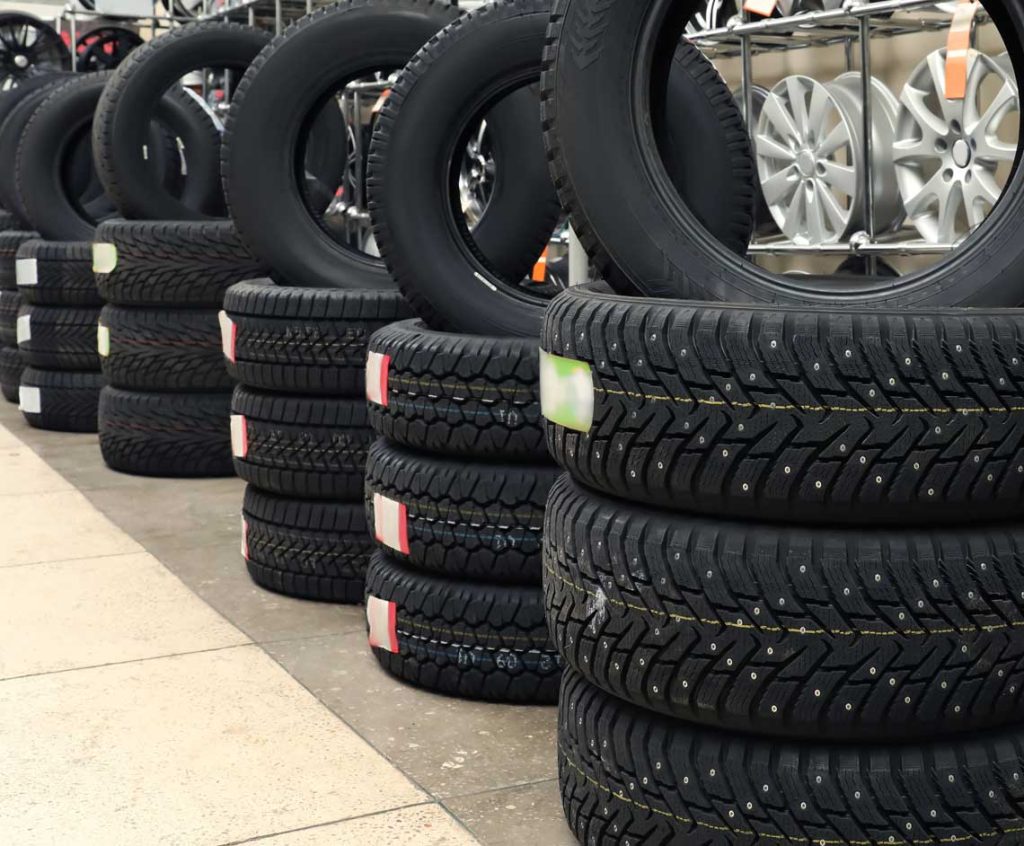
For a $24.4B industry, it’s shocking how little tire inventory can be found in independent repair shops. There’s always typically a way to acquire tires, but the process is disjointed and clunky. As a general repair shop, you should know your options for searching, acquiring and paying for tire inventory. With Tire Guru, tire inventory catalogs are directly integrated. This means users of the shop management system can easily search and add tires from known suppliers, like ATD and US Auto Force, to their work orders without requiring separate integrations.
For those working with other non-tire-specific shop management systems, like Protractor, Shop Boss, Shop-Ware, etc., there are additional ways to acquire tires; third-party suppliers. A good example is PartsTech, a software company that provides an integration to tire inventory catalogs via API.
Understand Your Options for Tire Pricing
There is a wide gulf between the average tire price in the US market. While some tires can range from $147.32 (Kuhmo), others can go all the way up to $463.38 (Pirelli). As a business owner, you need to understand your market’s pricing dynamics, and how they can affect your inventory, profitability and reputation.
TireGuru’s Tire Price Optimizer (TPO) imports data from over 1 million tire distribution points and aggregates it into an easy-to-use inventory management system. By leveraging in-market tire pricing data, you can set your tire pricing to ensure you’re not losing money... or losing to the wholesale competitor down the street. The TPO is an excellent example of innovation in the market to best meet the needs of tire shops looking to answer the call of EVs. And, with more EV-type tires coming from manufacturers, the ability to price appropriately is vital.